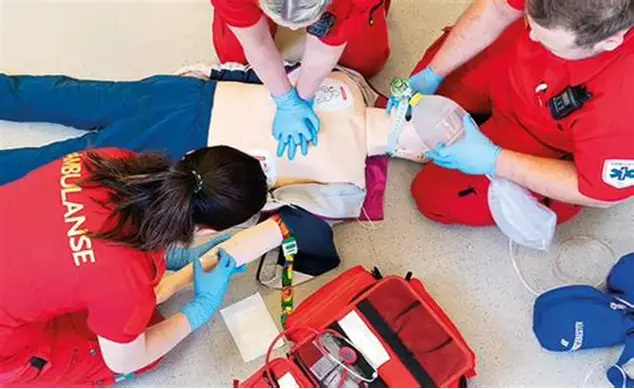
The First Aid & Emergency Care course is designed to equip learners with essential life-saving skills needed to respond confidently and effectively during medical emergencies. This practical and knowledge-based training provides step-by-step guidance on how to assess emergency situations, provide immediate care, and stabilize injured or ill individuals before professional medical help arrives.
Participants will learn both theoretical principles and hands-on techniques to handle common emergencies such as bleeding, fractures, burns, choking, cardiac arrest, and sudden illness. By the end of the course, learners will be empowered to act quickly, safely, and responsibly in workplace, home, and community settings.


By the end of this lesson, learners should be able to:
Understand what bleeding and wounds are
Identify different types of wounds
Recognize the dangers of uncontrolled bleeding
Describe basic steps for controlling bleeding
Explain proper methods for cleaning and protecting wounds
Bleeding occurs when blood escapes from damaged blood vessels due to injury. Wounds are physical injuries that break the skin or damage body tissues. Bleeding and wounds are common emergencies that can range from minor cuts to severe life-threatening injuries.
While minor bleeding can often be managed easily, severe bleeding can lead to shock, organ failure, or death if not controlled quickly. Therefore, prompt and proper first aid is essential.
There are several types of wounds that a first aider may encounter. Cuts and lacerations are caused by sharp objects such as knives or broken glass. Abrasions occur when the skin is scraped against rough surfaces, such as during a fall.
Puncture wounds are caused by sharp pointed objects like nails or needles and may appear small but can be deep and prone to infection. Avulsions involve tearing away of skin or tissue and often result in heavy bleeding.
Understanding the type of wound helps determine the most appropriate treatment.
Severe bleeding can lead to rapid loss of blood, which reduces oxygen supply to vital organs. This can result in shock, unconsciousness, and death if not treated promptly.
Even moderate bleeding can become dangerous if it continues for a long time. Additionally, open wounds increase the risk of infection, which can complicate recovery.
Recognizing the seriousness of bleeding ensures that first aiders act quickly and effectively.
The most effective way to control bleeding is by applying direct pressure to the wound using a clean cloth, bandage, or sterile dressing. Pressure helps slow and stop blood flow by allowing clotting to occur.
If bleeding continues, additional dressings may be applied without removing the original one. Elevating the injured area above heart level, when possible, can also help reduce blood flow.
In cases of severe bleeding, emergency services must be contacted immediately while first aid measures continue.
Once bleeding is controlled, the wound should be cleaned gently to prevent infection. Clean water or antiseptic solutions may be used to remove dirt and bacteria.
After cleaning, the wound should be covered with a sterile dressing or bandage to protect it from contamination. Proper wound care promotes faster healing and reduces the risk of infection.
First aiders should always practice proper hygiene when managing wounds. Wearing gloves, avoiding direct contact with blood, and using clean materials are essential safety measures.
Infection prevention protects both the casualty and the first aider and ensures safer treatment outcomes.
Prompt control of bleeding and proper wound management can save lives and prevent complications. Early intervention reduces the risk of shock, infection, and long-term damage.
Learning how to manage bleeding and wounds equips first aiders with essential skills that are commonly needed in everyday emergencies.